
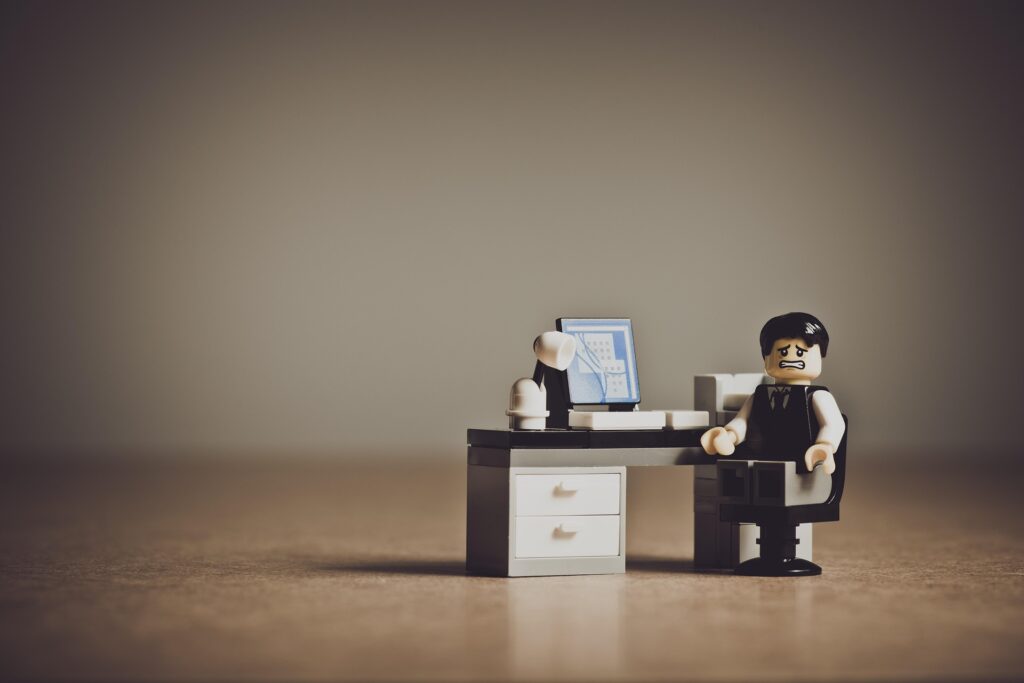
Why Employees Pretend to Be Productive
Office culture often encourages a constant appearance of productivity, even during slow periods. Many employees have learned the subtle art of looking productive without actually doing much work. This isn’t necessarily about laziness – it’s often a playful way to navigate downtime, maintain appearances, or simply inject humor into a long day.
Pretending to be busy can also reduce interruptions. Colleagues and managers are less likely to bother someone who appears deeply engaged, making it a surprisingly practical skill.
Subtle Ways to Look Busy
There are countless strategies employees use to look occupied while doing very little. The funniest techniques often blend creativity, timing, and a bit of performance:
- Rapid Typing or Clicking – Typing rapidly on your keyboard or clicking randomly on documents gives the impression of working on something important. A few exaggerated pauses make it appear thoughtful.
- Screen Juggling – Keep a document, spreadsheet, or email open on one screen while browsing unrelated content on another. This creates the illusion of multitasking and high engagement.
- Faux Note-Taking – Scribbling notes during meetings or on a notepad can appear as if you’re capturing crucial information, even if your notes are mostly doodles or random phrases.
- Concentrated Expressions – Looking deeply focused, frowning slightly, or nodding occasionally can convince anyone nearby that you’re deeply immersed in complex work.
Playful Desk Activities
A few small, harmless activities can make a workspace look busy while also entertaining yourself:
- Organize Papers or Files – Rearranging documents, even if not strictly necessary, looks productive while subtly clearing clutter.
- Strategic Desk Movements – Picking up items, flipping through binders, or adjusting desk equipment in a precise, methodical way gives an impression of purpose.
- Pretend Calls – Talking on the phone with a serious tone or reading notes aloud quietly can simulate important work discussions.
Office Humor in Action
What makes this art truly entertaining is the creativity behind it. Employees often develop personal routines for looking busy, and observing these strategies becomes a source of shared laughter.
For example, one colleague might open spreadsheets and adjust column widths repeatedly, while another spins between email drafts and calendar events in a seemingly urgent rhythm. These small, exaggerated behaviors highlight the humor in mundane office routines.
Humor also emerges when coworkers spot these performances and share stories. These moments of shared amusement can lighten the mood and strengthen camaraderie. If you enjoy playful office humor, you might like Funny Ways People Pretend to Be Busy at Work, which offers similar lighthearted examples.
Why This Skill Matters
While it may seem trivial, the art of looking productive has subtle benefits. It can reduce interruptions, allow quiet moments to recharge, and provide opportunities for small creative breaks. Additionally, employees who master this skill often develop better awareness of office dynamics and timing, understanding when engagement is necessary and when subtle downtime is acceptable.
Even simple routines like rapid typing, fake meetings, or strategic note-taking help maintain the flow of the workday. They allow employees to manage energy levels, inject humor, and still fulfill responsibilities effectively.
Making Downtime Enjoyable
The best part of pretending to be productive is that it’s harmless fun. It’s not about deception or shirking responsibilities, but about navigating slow moments with creativity and humor. Observing colleagues, sharing stories, or coming up with your own playful strategies can make office downtime feel lighter and more engaging.
By combining subtle actions with humor, employees can balance productivity with amusement. These moments become memorable parts of the workday, adding personality and levity to otherwise routine office tasks.